

Microdermabrasion Gallery
$$MultiPurposeText$$
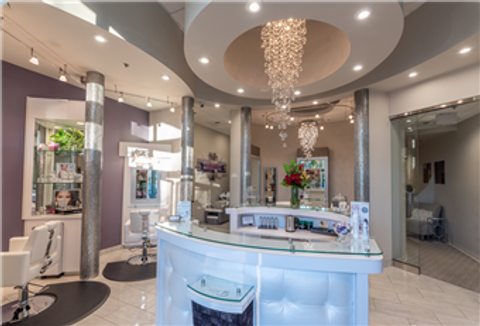
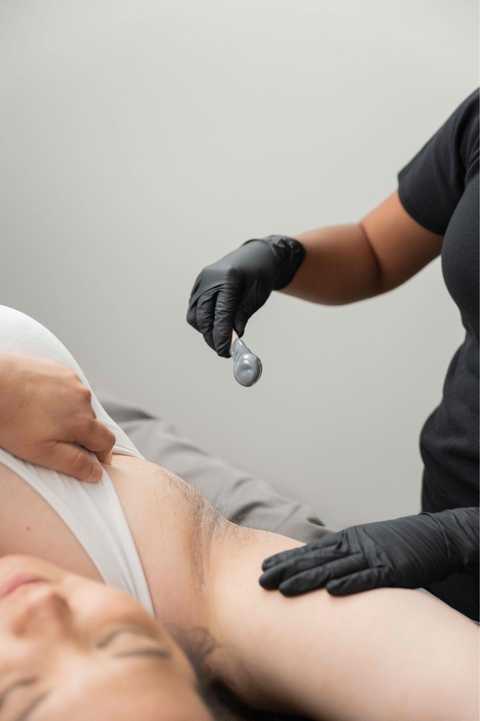
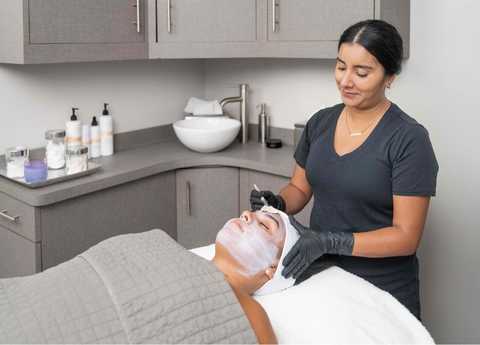
See examples of our Microdermabrasion work and results.







What Our Clients Say
$$MultiPurposeText$$
Read testimonials from our satisfied customers

I am a repeat customer for getting facials here for many years! I love the environment and...more

Every facial I had at Suite B was customized to my needs, from recovery facial after a las...more

Frequently Asked Questions
Get answers to common questions about Microdermabrasion.
During your appointment a licensed aesthetician uses diamond-tip microdermabrasion with wet and dry passes. Treatment takes 30–60 minutes, includes customized serums, gentle suction, and calming post-care. You may experience mild redness that resolves within hours to a day.
Yes, when performed by our trained professionals we customize intensity and serums for sensitivity or active acne. Mild acne may benefit; severe inflammatory acne requires medical clearance. A consultation ensures safe, effective treatment and tailored aftercare to minimize irritation.
Most clients see visible improvement after one session, especially smoother texture and brighter tone. For sustained benefits and collagen stimulation we recommend a series of 4–6 treatments spaced two to four weeks apart, then maintenance every 1–3 months.
Treatments are comfortable for most; you may feel mild scratching, warmth, or suction. Redness and slight sensitivity can last a few hours to one day. Follow our post-care—sun protection and gentle moisturizers—to support healing and prolong results.
Microdermabrasion can improve superficial acne scars and uneven pigmentation by resurfacing and encouraging cell turnover. Deeper scarring may need advanced treatments like chemical peels or microneedling. We assess your skin and recommend the best combination for improvement.
Avoid retinoids, strong exfoliants, and waxing for at least 5–7 days prior. Arrive with clean skin without makeup. Notify us about medications or recent procedures. We'll review aftercare and customize serums to ensure safe, effective results.
Read more about Microdermabrasion
$$MultiPurposeText$$
Explore our latest insights and guides on Microdermabrasion.


A Complete Guide to Facial Services in Issaquah for Every Skin Type
Published On: June 30, 2026

